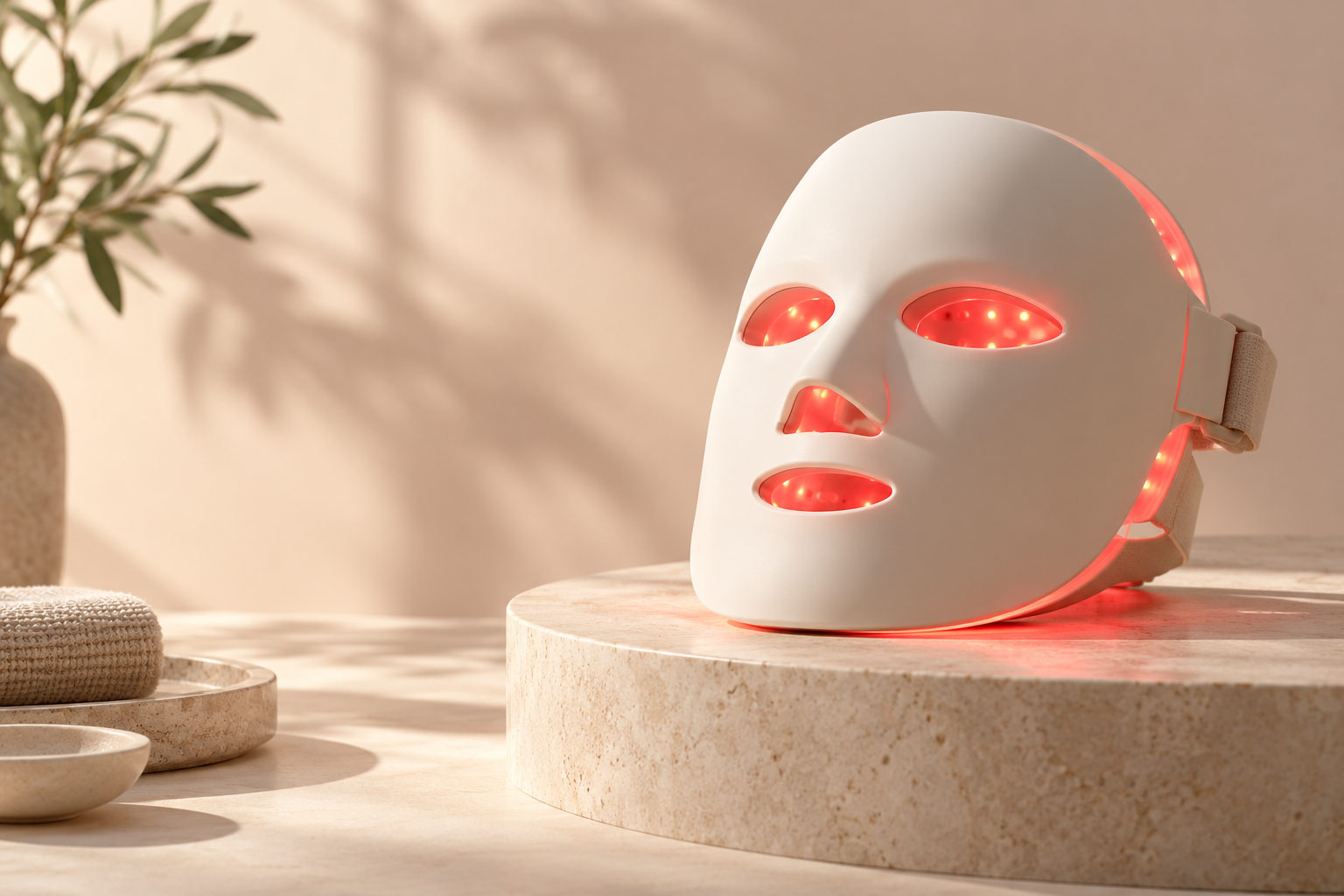
LED face masks are becoming a popular part of at-home skincare. But do they deliver enough results to justify their price?
The answer depends on your skin concerns, the device you choose, and your expectations. Research suggests that some at-home LED devices may help with mild to moderate acne and the appearance of fine lines. However, the evidence varies, and not every product has been studied equally well.
Before spending hundreds of dollars, it is worth understanding what the research says, what separates one device from another, and when an LED mask may not be worth the investment.
The Short Answer
LED face masks may be worth considering, but they are not essential for everyone.
They may suit people who want to add a light-based treatment to an existing skincare routine and are prepared to use the device consistently.
They may be a poor investment if you expect dramatic results in a few days, are buying mainly because of social media trends, or have not checked whether the device is appropriate for your specific concern.
Before buying, ask three questions:
- Is there credible evidence for the skin concern I want to address?
- Does the manufacturer provide clear specifications and safety instructions?
- Is the potential benefit worth the price?
Why LED Face Masks Are Getting Attention in 2026
At-home beauty devices are making light-based skincare more accessible to consumers who prefer to treat their skin at home.
One example is Philips ReAura, announced in August 2026. Philips describes it as a flexible LED mask designed to let users treat different facial areas.
This launch illustrates the growing commercial interest in LED skincare. It does not, by itself, prove that every LED mask works or that a more expensive device will produce better results.
The real question is not whether LED masks are trending. It is whether a particular device offers enough credible benefit for its price.
What Does the Science Actually Say?
LED masks use light at specific wavelengths. Red and near-infrared light are commonly marketed for skin rejuvenation, while blue light is often used in devices targeting acne.
The potential effects depend on several factors, including wavelength, light intensity, treatment duration, device design, and consistency of use.
1. Fine Lines and Wrinkles
A 2025 randomized, double-blind, sham-controlled study published in Medicine investigated a home-use mask combining 630 nm LED light and 850 nm infrared light for crow’s feet.
The study followed participants over 16 weeks and reported improvements in wrinkle assessments in the treatment group compared with the control group. However, the findings apply to the specific device and treatment protocol investigated, not every consumer LED mask.
2. Acne
A 2025 systematic review and meta-analysis published in JAMA Dermatology examined at-home LED devices for acne vulgaris. The review included six studies involving 216 participants with mild to moderate acne.
The findings support further investigation of at-home LED treatment, but the evidence base remains relatively small. A mask marketed primarily for wrinkles is not necessarily the right choice for acne.
Read the systematic review in JAMA Dermatology.
3. What the Research Does Not Prove
The current evidence does not justify assuming that every LED mask produces the same results, works equally well for every skin type, or delivers visible changes within a few days.
Results depend on the device tested, the participants, the treatment schedule, the outcomes measured, and the length of follow-up.
A useful rule is to look for evidence that matches both the product and the result you want, rather than relying on a general phrase such as “clinically proven.”
What Should You Check Before Buying?
Wavelengths and Intended Use
Check which wavelengths the device uses and what the manufacturer claims they are intended to address.
Red, near-infrared, and blue light are not interchangeable. More wavelengths do not automatically mean better results. Look for evidence relevant to the device’s actual configuration and intended use.
Safety and Eye Protection
Read the manufacturer’s instructions, contraindications, recommended treatment duration, and eye-protection guidance.
If you have a photosensitive condition, take medication that increases light sensitivity, have an eye condition, or are unsure whether the device is appropriate for you, consult a qualified healthcare professional before use.
Regulatory Information
In the United States, FDA 510(k) clearance generally means that the FDA has determined a device to be substantially equivalent to a legally marketed predicate device for its specified intended use. It is not a blanket guarantee of effectiveness for every advertised benefit.
Search the FDA 510(k) database.
Three LED Face Masks Worth Comparing
The following products are examples of options in the consumer LED-mask market. This is a feature-based comparison, not a ranking based on independent hands-on testing. Prices, specifications, availability, and product versions may change.
1. Philips ReAura

View the official Philips announcement.
Before buying, check availability in your country, the evidence supporting the specific benefits you want, warranty terms, customer support, and return conditions.
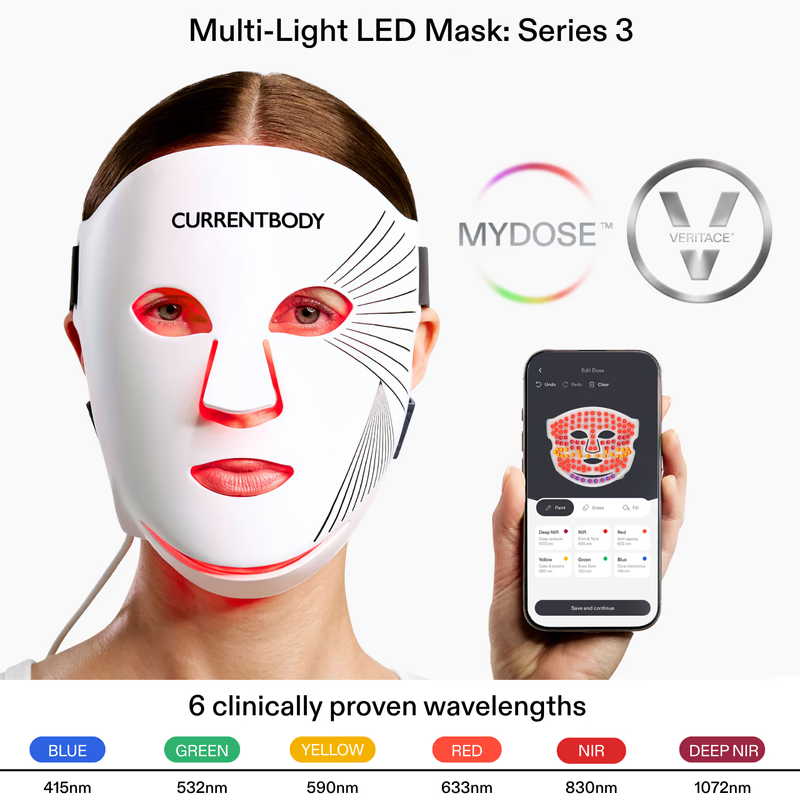
2. CurrentBody Skin LED Light Therapy Mask Series 2
View the official CurrentBody product page.
CurrentBody markets its Series 2 mask for at-home anti-aging use. Review the exact model’s specifications, published evidence, fit, treatment schedule, and warranty before making a decision.
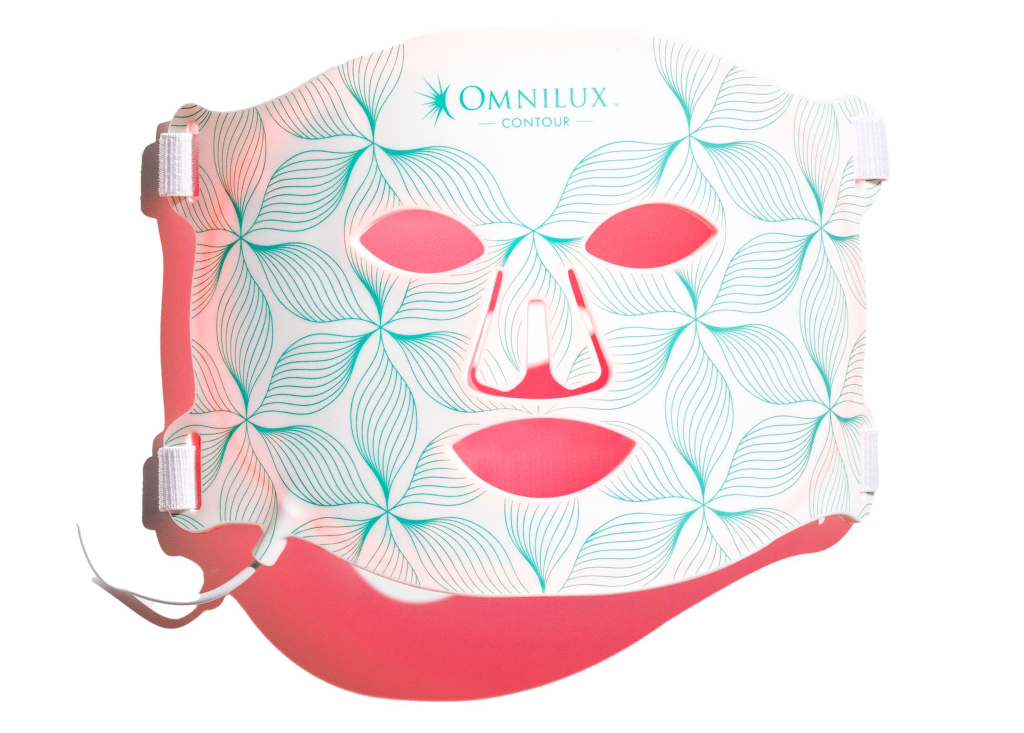
3. Omnilux Contour Face
View the official Omnilux website.
Omnilux Contour Face is another established name in at-home red and near-infrared LED skincare. Check current model specifications, local pricing, included accessories, warranty terms, and evidence supporting the product’s claims.
Editorial note: These products are examples, not endorsements. BeautyTechWise has not independently tested these devices.
Are Expensive LED Masks Better?
Not necessarily. Price alone is not a reliable measure of effectiveness.
A higher price may reflect design, materials, additional features, customer support, or brand positioning. It does not automatically establish superior clinical outcomes.
| Buying question | What to look for |
|---|---|
| Does it target my concern? | Evidence relevant to acne, fine lines, or your specific goal |
| Are the specifications clear? | Published wavelengths, intended use, and treatment instructions |
| Is safety information available? | Precautions, contraindications, and eye-protection guidance |
| Can I use it consistently? | Comfortable fit and a realistic session length |
| Is the price justified? | Relevant evidence, warranty, durability, and total cost |
A practical approach is to compare two or three devices with similar intended uses before deciding. Avoid paying extra for features that do not solve a problem you actually have.
Who Should Consider Buying an LED Mask?
An at-home LED mask may be worth researching if you have a specific, realistic skincare goal, understand that results may take weeks rather than days, and are prepared to follow the recommended treatment schedule.
It may be a poor purchase if you expect dramatic changes, are buying mainly because of social media hype, or have not established a skincare routine you can maintain.
If you have persistent acne or a skin condition that requires medical treatment, speak with a qualified healthcare professional about appropriate options.
The Verdict: Are LED Face Masks Worth It in 2026?
For some people, potentially. For everyone, no.
Research on at-home LED devices is promising for certain skin concerns, but the strength of the evidence varies by intended use and device. The available studies do not support treating every mask as equally effective or assuming that a higher price guarantees better results.
Before buying, focus on three things:
- Evidence: Is there credible research relevant to your intended use?
- Fit: Does the device suit your needs, comfort, and routine?
- Value: Is the potential benefit worth the full price to you?
If a device cannot answer those questions clearly, wait before spending your money.
The smartest beauty-tech purchase is not necessarily the most advanced or most expensive product. It is the one whose evidence, practical benefits, and cost make sense for your needs.
Sources and Further Reading
- Medicine. Clinical study of a home-use LED and infrared mask for crow’s feet. Read the study.
- JAMA Dermatology. At-home LED devices for acne vulgaris: a systematic review and meta-analysis. Read the review.
- Philips. ReAura product announcement. Read the announcement.
- U.S. Food and Drug Administration. 510(k) Premarket Notification database.
Editorial disclosure: BeautyTechWise provides research-informed consumer information. We have not independently tested every product discussed. Product specifications, availability, prices, and manufacturer claims may change. This article is for informational purposes and is not a substitute for professional medical advice.